
Cart 0
If you’ve been searching how to get rid of jowls, you’re not alone. Jowls, the loose skin and mild fullness that can develop along the lower jaw and chin, are one of the most common concerns raised in cosmetic consultations. It may not be possible to fully remove jowls without surgery, but several non-surgical approaches may help reduce their appearance depending on skin laxity, facial structure, volume changes and individual suitability.
This guide by Jennifer Carly Aesthetic Medicine explores what can contribute to the appearance of jowls, the non-surgical options that may help and some simple steps that may support prevention over time.
What causes jowls?
The causes of jowls sagging can look a little different from person to person, but generally, it comes down to a combination of changes happening beneath the skin as we age.
Common contributors include:
- Skin laxity: Collagen and elastin give skin its firmness and ability to bounce back. As collagen production slows with age, skin becomes thinner and more prone to sagging along the jaw.
- Volume loss: The cheeks and midface rely on fat pads and structural support to stay lifted. When volume is lost here, the skin lower down can appear to droop, drawing attention to the jawline.
- Genetics: Bone structure, skin thickness and how your family tends to age all play a role, which is why some people notice changes earlier than others.
Non-surgical options that may help
Because jowls develop from several different processes happening at once, searches for ways on how to remove jowls rarely turn up a universal answer. Instead, a combination of approaches is often considered after a proper assessment.
Facial volume restoration
When volume loss in the cheeks or midface is contributing to the appearance of jowls, facial volume restoration may be considered to support facial structure. Restoring volume in the right areas can soften the transition between cheek and jaw, which may reduce how prominent jowls appear.
Collagen-supporting treatments
For some people, encouraging the skin’s own collagen production may be part of a longer-term plan. Collagen-stimulating treatments work gradually over several months and may help support skin firmness in the lower face.
Skin tightening technology
Devices using energy-based technology, such as Morpheus8 or the Alma Hybrid CO2 laser, may be considered for those wanting to support skin firmness and texture without surgery. Both work beneath the surface of the skin and are often discussed as part of a broader plan for the lower face.
Facial asymmetry correction
Jowls don’t always appear evenly on both sides of the face. Where one side is more noticeable, facial asymmetry correction may be raised in consultation to help create a more even appearance.
Support for the jawline and chin area
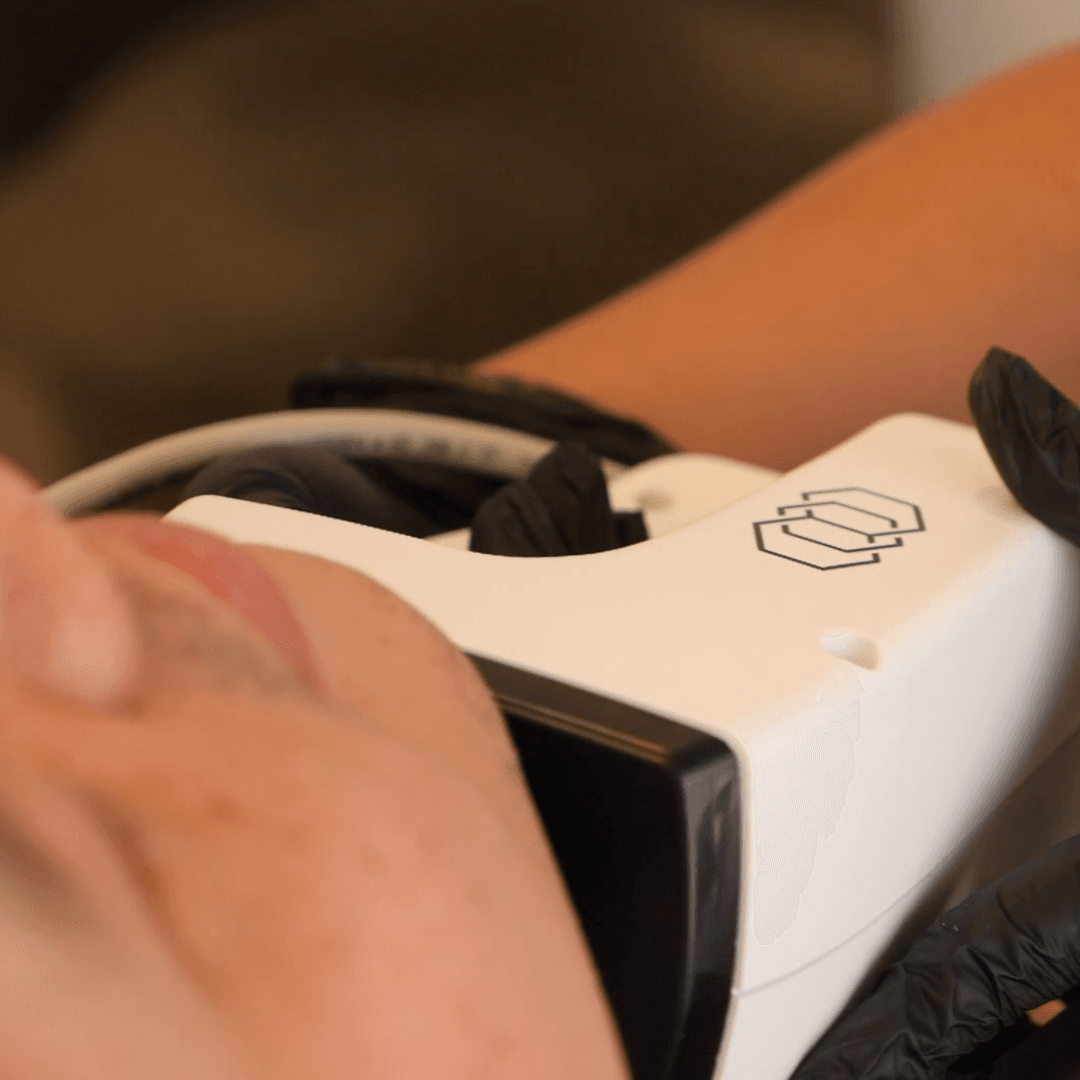
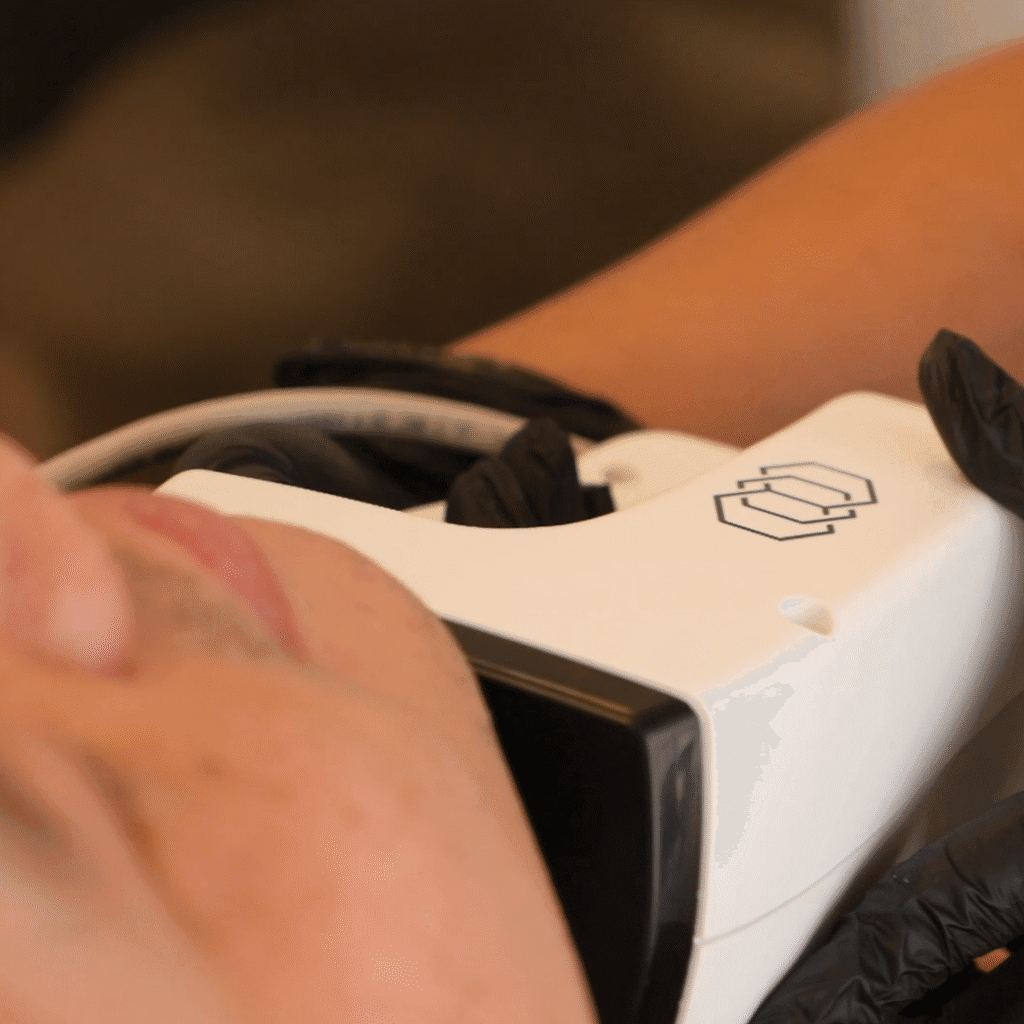
Fullness under the chin can make jowls appear more obvious than they otherwise would. Mini FX is a non-invasive option that may be considered as part of a wider plan for the jawline.
How to prevent jowls
Genetics and natural ageing play a role that can’t be controlled, but everyday habits may help support skin firmness and slow how quickly the appearance of jowls develops. Prevention tends to work best when started early, rather than waiting until sagging is already noticeable.
Build a consistent skincare routine
A gentle cleanser followed by a moisturiser suited to your skin type helps keep the skin barrier healthy. Retinoids and peptides are commonly included in routines aimed at supporting firmer-looking skin over time.
Wear sunscreen daily
Sun exposure is one of the biggest factors linked to premature skin ageing. UV damage breaks down collagen and elastin over time, so wearing a broad-spectrum SPF daily, even on cloudy or overcast days, is one of the simplest habits that may support skin health long term.
Pay attention to lifestyle factors
Smoking, poor sleep, high sugar diets and dehydration have all been linked to faster breakdown of skin structure. Staying hydrated, eating well and getting enough sleep won’t undo sagging that has already developed, but these habits may support the skin you have now.
When to see a professional
For most people, jowls are simply a normal part of ageing and nothing to be concerned about. That said, for some, how their skin looks plays a real part in how they feel day-to-day, and that’s exactly when it’s worth speaking to a professional about which options might be appropriate.
Since each person’s skin, facial structure and goals are different, there is no single best treatment for jowls. At Jennifer Carly Aesthetic Medicine, every visit starts with a thorough assessment of your skin and a conversation about what you’d like to see change, so the recommendations are specifically shaped around your interests and priorities.
If you’ve noticed changes along your jawline and want to understand what might help, book a consultation or get in touch with the team at Jennifer Carly Aesthetic Medicine.
Want to read more? Have a look at our blogs on bio-remodelling and what to know before considering treatments for the appearance of ageing skin.
Disclaimer: This blog is general information only and should not be treated as personal medical or clinical advice. It does not take into account your individual circumstances or needs. Before undertaking any treatment, a proper consultation is recommended to assess your suitability.