
Cart 0
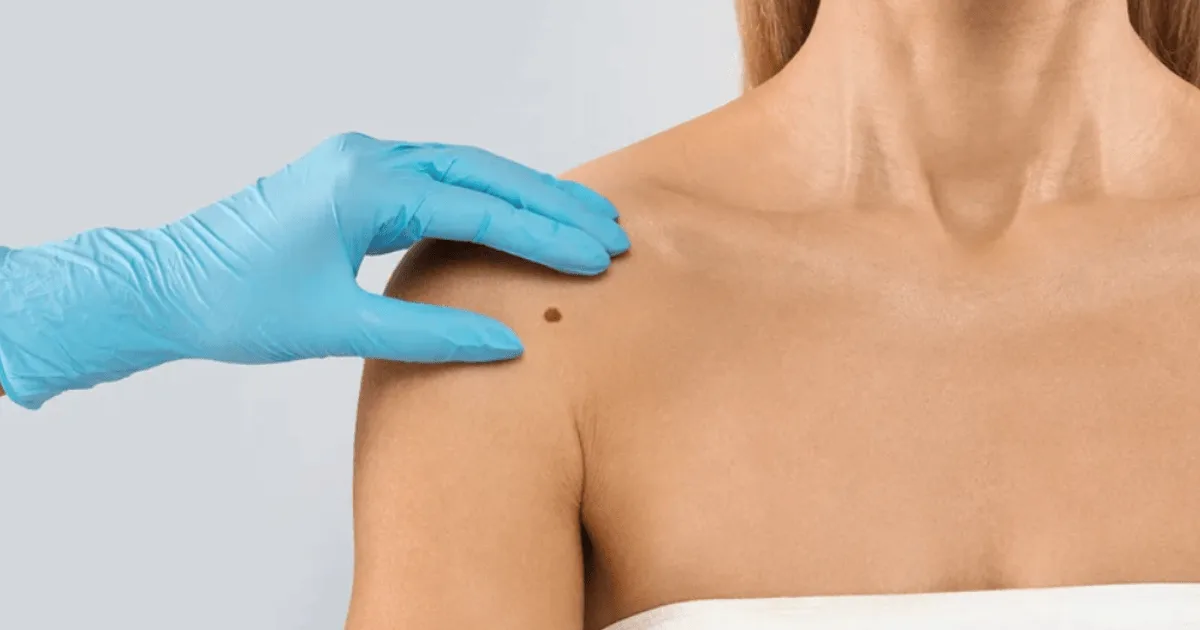
Skin tags (acrochordons) are common and harmless skin growths that affect many people. They often appear on the neck, eyelids, underarms, or skin folds. While usually painless, skin tags can vary in size, colour, and texture. Some may hang from a small stalk, while others sit flat on the skin.
In this guide, you will learn what skin tags are and why they develop. You will also explore options that are commonly considered when managing or removing skin tags. This information is designed to support informed decisions and does not replace medical advice.
What are skin tags?
Skin tags or acrochordons are small, soft growths that hang from the skin. Doctors call them acrochordons. They typically range from one millimetre to one centimetre, though some can be larger.
These growths are made of normal skin tissue, including collagen fibres and small blood vessels. They are benign, meaning they are non-cancerous and not contagious.
Acrochordons usually appear in areas where the skin rubs together. Common locations include the armpits, groin, anus, thighs, eyelids, neck, and under the breasts. They can develop as a single growth or in multiples.
Typical characteristics of acrochordons include a soft, smooth, or slightly wrinkled surface. They are usually flesh-toned or slightly darker, with a thin stalk attaching them to the skin. Most acrochordons remain the same size and colour over time.
Although harmless, acrochordons can become irritated by clothing, jewellery, or shaving. Any new, changing, or unusual growth should be examined by a qualified skin practitioner.
What are the symptoms of skin tags?
Most skin tags are painless and do not cause any noticeable symptoms. They usually appear as small, soft growths hanging from the skin.
Skin tags are attached to the skin by a thin stalk, which makes them different from warts or other skin lesions. Unlike warts, which are often flat, skin tags dangle from the surface.
Although generally harmless, acrochordons may become irritated if they rub against clothing, jewellery, or during shaving. Irritation can sometimes cause minor bleeding or soreness.
What causes skin tags?
The exact cause of acrochordons is not fully understood. However, some factors are commonly associated with their development. They commonly include:
- Friction and skin folds: Acrochordons often form where skin rubs against skin or clothing. Common areas include the neck, underarms, groin, and under the breasts.
- Ageing: Acrochordons become more common as skin elasticity decreases over time. They are frequently seen in middle-aged and older adults.
- Hormonal changes: Hormonal fluctuations during pregnancy or breastfeeding may increase the likelihood of skin tag development.
- Metabolic factors: Studies suggest a link between acrochordons and insulin resistance or type two diabetes. This association does not indicate causation.
- Genetics: A family history of acrochordons may increase the chance of developing them.
- Body composition: People with more skin folds may notice acrochordons more frequently due to increased friction.
How are skin tags treated or removed?
In many cases, acrochordons do not require medical treatment. They are harmless and may remain unchanged for many years. Occasionally, a skin tag may fall off naturally without any intervention.
However, some people choose to seek professional skin tag removal. This is often due to repeated irritation, discomfort, or personal preference. Before removal is considered, a qualified medical practitioner should assess the skin tag. This confirms it is benign and suitable for treatment.
When clinically appropriate, a medical practitioner may discuss different professional removal options. The most common approaches include:
• Cryotherapy: Cryotherapy involves freezing the skin tag using liquid nitrogen. The treated tissue gradually dries, shrinks, and separates over time. This method is commonly used for small to medium skin tags.
• CO₂ Laser Treatment: CO₂ laser treatment uses focused laser energy to precisely remove skin lesions. It allows controlled treatment while minimising impact on surrounding skin. This method may be suitable for certain skin tags and benign lesions. A consultation is required to determine suitability.
The most suitable method depends on several factors. These include the size, location, and appearance of the skin tag. Individual health considerations are also taken into account.
In some cases, a doctor may refer you to a trained skin practitioner for removal. Self removal at home is not recommended. It can increase the risk of bleeding, infection, or scarring. A professional assessment supports safe decision making and appropriate skin care.
Skin tag treatment in Australia
Skin tags (acrochordons) are a very common skin concern. International estimates suggest that up to 50 to 60% of adults may develop at least one during their lifetime. Australian health sources also recognise skin tags as a frequent and benign condition.
At Jennifer Carly Aesthetic Medicine in Gawler, South Australia, consultations are provided in a clinical setting to assess skin concerns such as skin tags. Every client undergoes a thorough consultation and skin assessment before any treatment is considered. This process helps ensure the lesion is benign and that care is appropriate for the individual.Any recommendations are based on clinical assessment, individual skin needs, and suitability. Our approach prioritises patient safety and long-term skin health. If you have concerns about a skin lesion, a professional skin consultation can help guide appropriate next steps.