
Cart 0
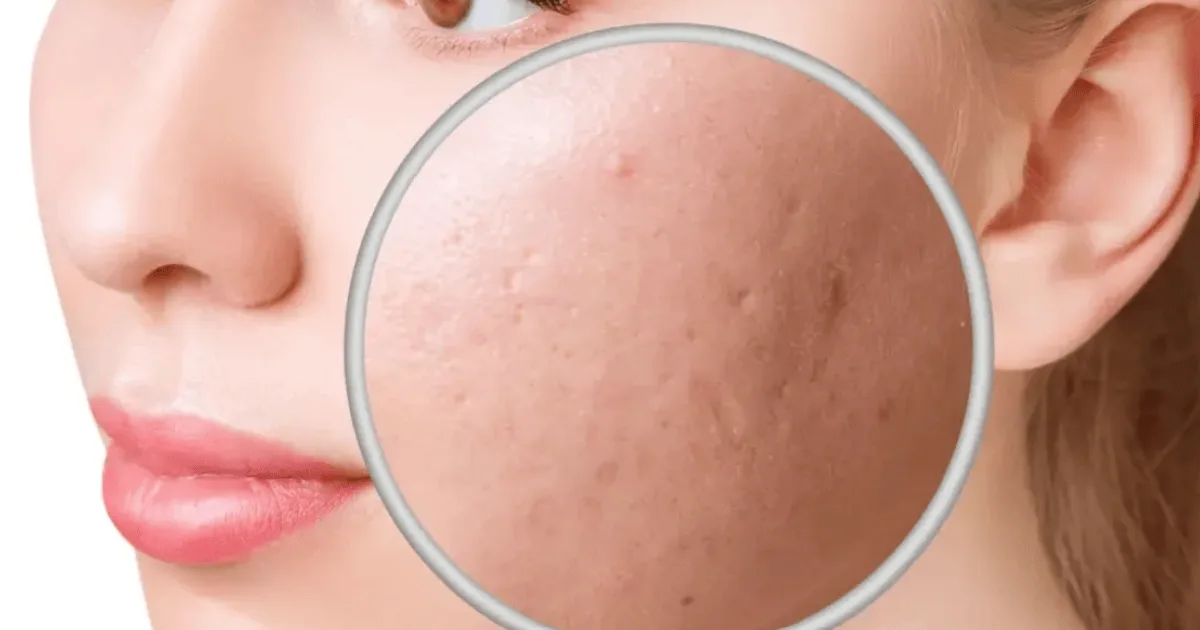
Acne scars are a common concern for many people. They form when breakouts reach deeper skin layers and affect the surrounding tissue. As the skin heals, it produces collagen to repair the area. When the skin makes too much or too little collagen, visible scars may remain.
In this guide, you will learn how acne scars form and what influences their appearance. You will also explore treatment approaches that may help reduce their visibility over time.
What Causes Acne Scars?
Acne scars form when acne penetrates deep into the skin. This deep inflammation damages the surrounding tissue. As skin heals, it produces collagen to repair the damage. If healing is uneven, a visible scar may remain.
In Australia, acne is very common among youth. A large national study of school‑aged students in Victoria found that one in four adolescents aged 16–18 years had acne scars.
Scars develop differently depending on how much collagen is laid down. Too little collagen can cause indentations or pitted scars. Too much collagen can result in raised scars on the skin surface.
Not every breakout leads to scarring. Mild acne often heals cleanly without lasting marks. However, repeated or severe breakouts increase the risk of scars, especially if the inflammation is prolonged or poorly managed.
Picking, squeezing, or popping spots can worsen skin damage. That extra trauma delays healing and increases the chances of visible scars.
Although acne scars are common, their appearance may change gradually over time. Some people explore skin care approaches or consult qualified professionals for personalised advice.
What are the types of Acne Scars?
Acne scars can take different forms depending on the severity of the breakout and your skin’s healing response. Each scar type varies in how it forms and how its appearance may change over time.
1. Atrophic or Depressed Scars
Atrophic scars are indented marks caused by a loss of collagen during healing. They make the skin surface uneven and can vary in depth.
- Ice Pick Scars: Ice pick scars are narrow, deep holes that taper to a point. They often appear on the forehead and upper cheeks, where skin is thinner. These scars are common and challenging to treat.
- Rolling Scars: Rolling scars have gentle, sloping edges that make the skin surface look wavy or uneven. They usually appear on the lower cheeks and jawline, where the skin is thicker.
- Boxcar Scars: Boxcar scars are round or oval indents with sharp edges that extend deep into the skin. They are commonly found on the lower cheeks and jawline.
2. Hypertrophic and Keloid Scars
Unlike atrophic scars, hypertrophic and keloid scars rise above the skin surface. They occur when the skin produces too much collagen during healing. These scars are more common on the chest, back, shoulders, or jawline.
Hypertrophic scars stay within the area of the original injury. Keloid scars can extend beyond the initial acne site. They may feel firm or itchy.
What’s the Best Treatment for Acne Scars?
Below are the most widely used medical skin treatments for acne scar management.
1. Morpheus8
Morpheus8 is an advanced treatment that combines microneedling with radiofrequency energy. This energy is delivered into the deeper layers of the skin. The heat stimulates collagen and elastin production over time.
Morpheus8 is commonly used for rolling scars and uneven skin texture. It can also improve skin firmness affected by acne damage. The treatment works gradually as new collagen forms.
Most clients require a series of sessions for visible improvement. Results develop progressively across several months. Outcomes vary based on skin condition and scar severity.
2. Microneedling
Microneedling uses fine sterile needles to create controlled micro channels in the skin. These micro injuries trigger the skin’s natural repair response. New collagen begins to form during the healing phase.
Microneedling is suited for mild to moderate acne scarring. It is often used for rolling scars and softer boxcar scars. It also improves overall skin tone and texture.
Treatment is performed in a series for optimal results. Downtime is usually mild and short. Individual response varies between skin types.
3. Chemical Peels
Chemical peels work by removing damaged surface skin layers. This stimulates fresh skin renewal and improves surface texture. Peels also help fade post acne pigmentation.
Chemical peels are most effective for superficial acne scars. They do not correct deep indented scars alone. For deeper scarring, peels are often combined with other treatments.
Skin type, strength of peel, and recovery capacity influence outcomes. A professional skin assessment determines suitability and timing.
4. Alma Hybrid CO2
Alma Hybrid CO2 is a fractional laser resurfacing treatment. It targets both the surface and deeper skin layers simultaneously. This dual action promotes skin renewal and deep collagen stimulation.
This treatment is used for moderate to severe acne scarring. It can improve deeper boxcar and mixed scar patterns. New collagen develops gradually during the healing process.
Recovery time varies between clients. Visible improvement continues for several months after treatment. Results depend on scar depth and skin healing capacity.
5. Subcision
Subcision is a medical technique used for certain types of depressed acne scars. It is most commonly used for rolling scars caused by fibrous tethering beneath the skin. These scars form when bands of scar tissue pull the skin downward. Subcision works by carefully releasing these fibrous bands under the skin surface.
Once released, the skin is able to lift and appear smoother over time. The controlled injury also stimulates collagen production during healing. Subcision is often combined with other treatments. These may include collagen biostimulators, Morpheus8, or CO₂ laser treatments.
The most suitable combination depends on scar depth and skin condition. A professional assessment is required to determine suitability and timing.
6. Collagen Biostimulators
Collagen biostimulators are injectable treatments designed to support natural collagen production. They do not fill scars instantly but work gradually over time. These treatments stimulate the skin to rebuild collagen from within. This process may help improve skin thickness, firmness, and scar appearance.
Biostimulators are commonly used alongside subcision for acne scarring. After fibrous bands are released, collagen stimulation may improve long term results. They may also be combined with treatments such as CO₂ laser or Morpheus8. Combination plans are designed based on scar pattern and skin response.
Results develop gradually over several months. Individual outcomes vary depending on healing response and treatment plan.
Frequently Asked Questions
How to remove acne scars naturally?
Natural methods cannot fully remove acne scars. However, some approaches may help support skin healing. These include daily sun protection, gentle cleansing, and consistent moisturising. A healthy diet also supports skin repair over time.
Avoid picking or squeezing active acne. This reduces the risk of further scarring. While natural care may improve skin appearance slightly, deeper scars usually need clinical treatment. A professional skin assessment is recommended for lasting improvement.
What removes acne scars fast?
There is no instant solution for acne scars. Skin healing takes time and varies for each person. Clinical treatments may improve scars faster than home care alone. These treatments work by stimulating collagen and renewing skin layers.
Results develop gradually over several weeks or months. Faster improvement often requires a series of treatments. A consultation is needed to determine what is suitable for your skin.
What is the best treatment for acne scars in Australia?
There is no single best treatment for every acne scar. The most suitable option depends on scar type and skin condition. Common medical treatments include microneedling, laser therapy, and resurfacing treatments.
How to Reduce Acne Scars in 2026
Acne scars can contribute to changes in skin texture and overall appearance. Many people explore different approaches to help soften their visibility over time. A range of treatment options exists, and each person’s response can vary depending on their skin type, scar characteristics and general skin health.
At Jennifer Carly Aesthetic Medicine, clients receive a personalised consultation to discuss their skin concerns and goals. Factors such as skin condition, scar pattern and long-term skin health are considered before any recommendations are made. Guidance is based on evidence-informed principles, and suitability and expected recovery are discussed to support informed decision-making.If you would like to learn more about available options, you are welcome to book a consultation.